


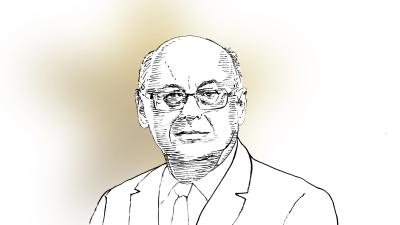

No More Legal Formalism
The essence of Poland’s conflict with the European Union concerned the extent to which the parliamentary majority could make political decisions that faced criticism and resistance from the courts and whether European law provided for it.
Zdzisław Krasnodębski
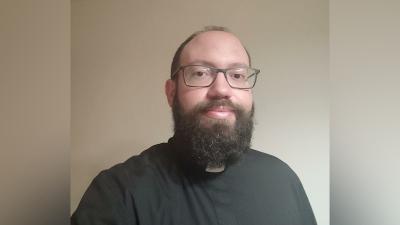
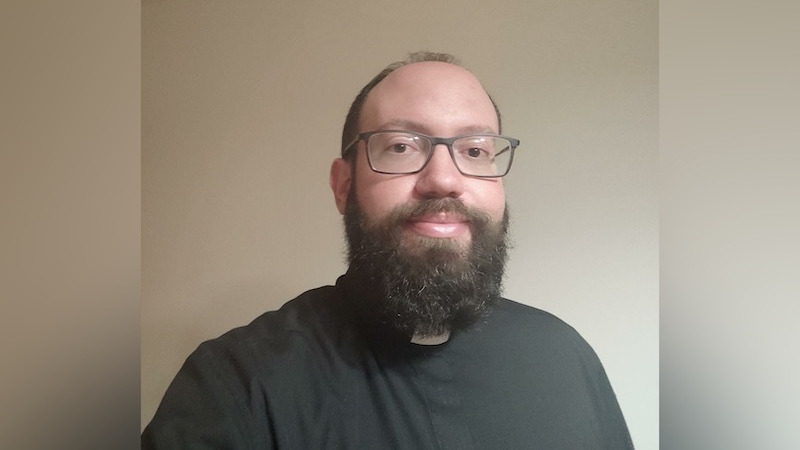
Father Góngora: “If we absent ourselves from public spheres, we are negligently conceding ground to the enemy to spread his lies”
The Sacristy of the Vendée is a means to a clear objective: to propose the worldview of the Catholic tradition in times of moral relativism and ethical circumstantialism.
Álvaro Peñas
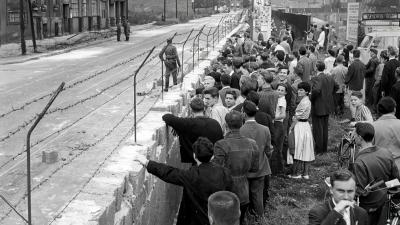

The Wall
The Berlin Wall fell, but the world is once again divided by an invisible wall. The West that faced the Cold War and bloc politics was stronger than the West we live in today, with disastrous policies and a complete lack of faith in ourselves, but still no one jumps over the wall to the other side.
Álvaro Peñas
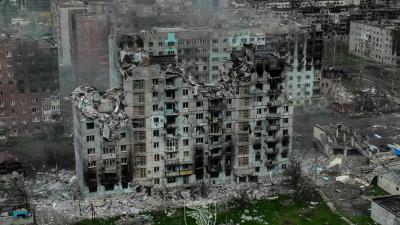
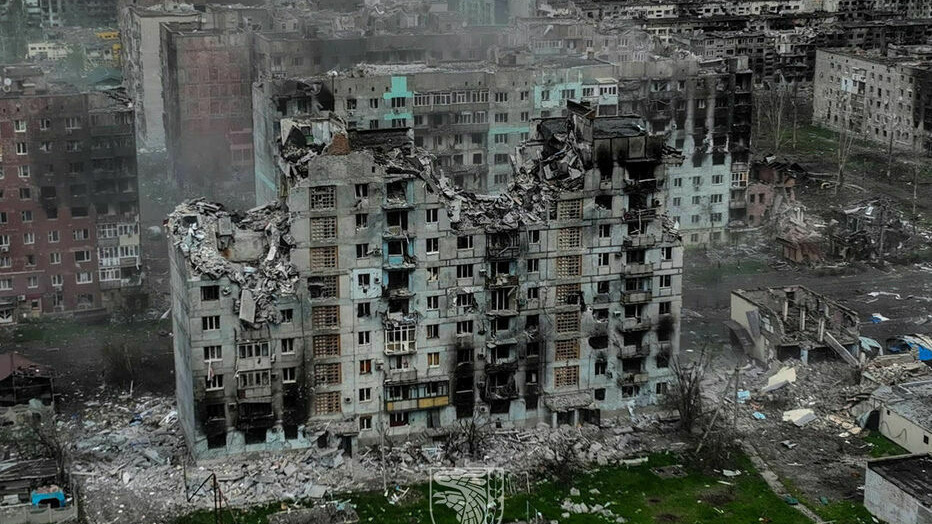
Just Another War of Conquest
No “denazification”, no protection of minorities, no NATO... the invasion of Ukraine is a war of conquest. The existential threat to Russia is the existence of a Ukrainian state.
Álvaro Peñas
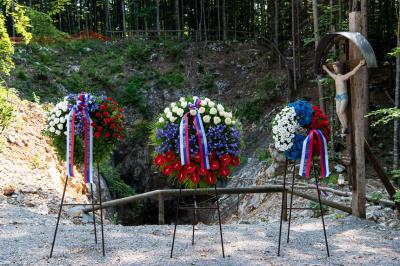

The Battle for History
Despite the European Parliament’s condemnation of communist totalitarianism, “progressive” governments try to erase the memory of its victims.
Álvaro Peñas
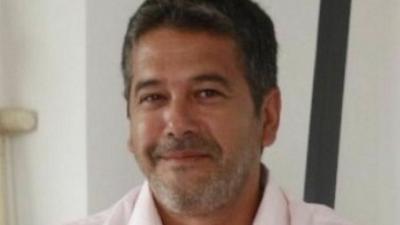
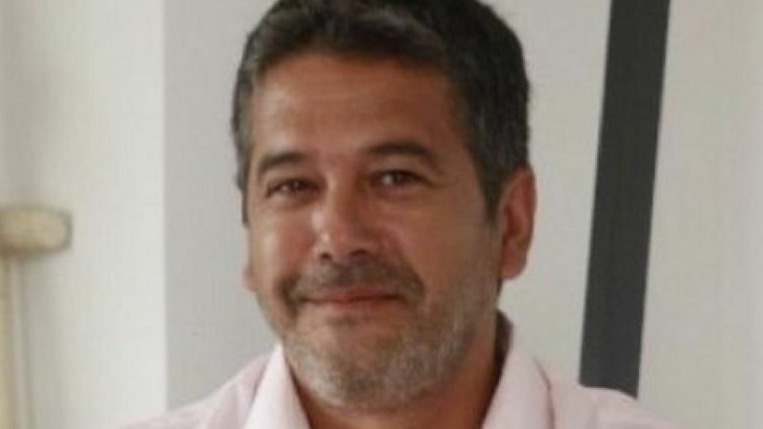
Nacho Montes de Oca: “The best way to disarm the Russian propaganda is to go back to the basic point, which are values”
Nacho Montes de Oca is an Argentinean writer and journalist, known for his books of essays dedicated to historical research and analysis of wars and other contemporary conflicts.
Álvaro Peñas
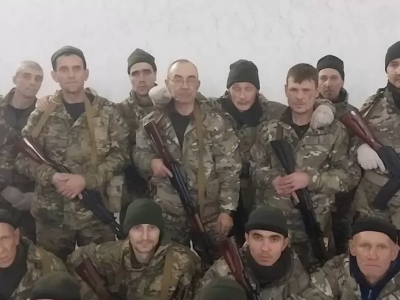
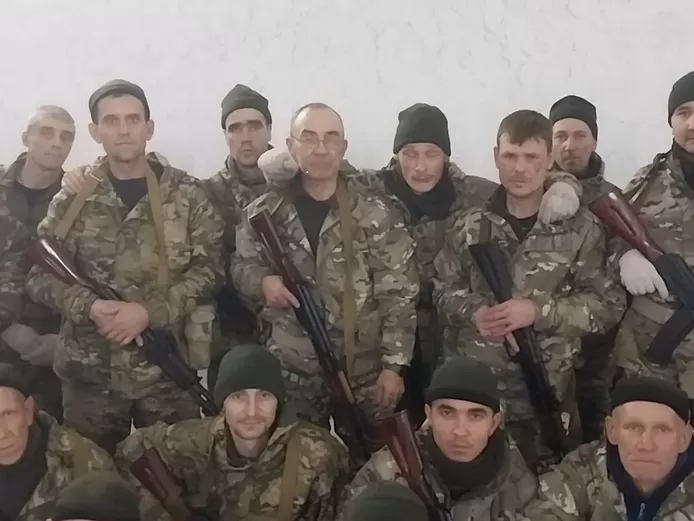
The Tsar’s Penal Army
“I had been in the colony (prison) for four and a half years when Wagner came to recruit us.
Álvaro Peñas
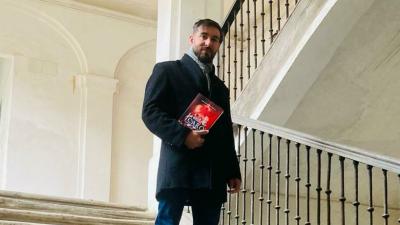
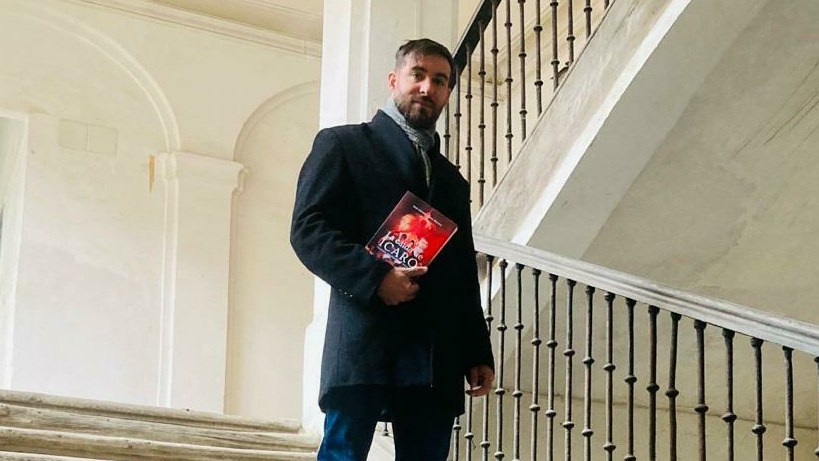
José Antonio López Medina: "The story of the Aranjuez mutiny was a coup d'état. That is why it is so relevant today"
Interview with José Antonio López Medina, writer and historian.
Álvaro Peñas

The Worst Possible Government
On 16 November, Pedro Sánchez was sworn in as president with the support of the communists and all the pro-independence forces present in the Spanish parliament.
Álvaro Peñas
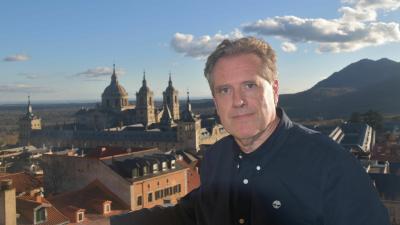

Darío Madrid: “It is not necessary to defend a pink legend of the Inquisition, but simply to put it in context”
Álvaro Peñas: Why a book about the Spanish Inquisition?
Álvaro Peñas
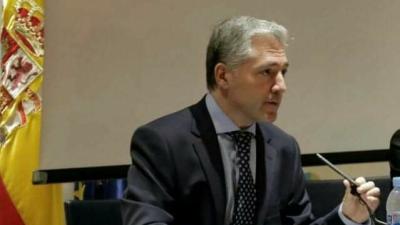

José Luis Orella: "The degradation of the national community and society generates weaker, more impressionable and manageable people".
osé Luis Orella is a lecturer in Contemporary History at the CEU San Pablo University, PhD in Contemporary History, specialising in political thought in Spain and Central Europe from the University of Deusto and in Political Law from the UNED.
Álvaro Peñas
Seen from Warsaw, seen from Brussels: Was German reunification a mistake?
How can one even pose such a question? After all, we recognise the principle of the right of nations to self-determination, to independence, to decide their fate, and to independently make collective decisions.